Why Small Assisted Living Neighborhoods Excel at Medication and ADL Management
Business Name: BeeHive Homes of Mesquite
Address: 780 2nd S St, Mesquite, NV 89027
Phone: (702) 381-6899
BeeHive Homes of Mesquite
At BeeHive Homes of Mesquite, Nevada, we offer the finest assisted living experience available in a cozy, comfortable homelike setting. Each of our residents has their own spacious room with an ADA approved bathroom and shower. We prepare and serve delicious home-cooked meals three times a day every day. We maintain a small, friendly elderly care community. We provide regular activities that our residents find fun and contribute to their health and well-being. Our staff is attentive and caring and provides assistance with daily activities to our senior living residents in a loving and respectful manner. We would like to invite you to tour and experience our assisted living home and feel the difference.
780 2nd S St, Mesquite, NV 89027
Business Hours
Families rarely tour an assisted living community since life is going smoothly. More frequently, something has actually slipped: a medication mix‑up, a fall throughout a nighttime bathroom journey, a pot left on the stove. By the time individuals start comparing senior care options, they have already seen how vulnerable everyday routines can become.
Over the years I have actually enjoyed both big and small communities handle these problems. The distinction in how they handle medications and activities of daily living, or ADLs, is rarely about nicer furniture or a larger lobby. It is about whether staff in fact know each resident, notification small changes, and have enough time and structure to act upon what they see.
Small assisted living communities are not perfect, and they are wrong for every person. But when it comes to managing medications and ADLs securely and with dignity, they often have peaceful advantages that families do not see on a brochure.
What "small" truly indicates in assisted living
When I say small, I am speaking about communities that house approximately 6 to 40 citizens, not 80 to 200. In numerous states these are called residential care homes, board and care homes, or group homes. Some are routine homes that have been converted and accredited for elderly care; others are purpose‑built however still intimate.

Daily life in these settings feels various the minute you stroll in. You hear personnel usage first names without glancing at charts. You may see the exact same caregiver who aided with breakfast likewise assisting with medication reminders and the afternoon shower. The building may not have a movie theater or a beauty spa, but you can generally find the nurse or administrator within a few steps.
That scale affects whatever about medication management and ADL support.
The core challenge: precision and pattern recognition
Managing medications and ADLs is not just a checklist exercise. It is a pattern acknowledgment problem.
For medications, the risks are subtle. A missed out on high blood pressure pill may look like a little extra fatigue. An accidental double dosage of insulin can become a medical emergency situation. The genuine ability depends on spotting small modifications in cravings, state of mind, gait, or sleep that mean a medication concern before it escalates.
The exact same holds true for ADLs. An individual who suddenly struggles to button a t-shirt or gets puzzled in the shower might be handling discomfort, infection, dehydration, negative effects of a new drug, or cognitive decline that has advanced. If nobody notifications for a week, one bad night can result in a fall, a hospitalization, and a permanent loss of independence.
Small assisted living communities have 2 structural benefits here: staff attention per resident and connection of relationships.
More eyes on less residents
In a typical small neighborhood, frontline caregivers are accountable for a modest group, frequently 4 to 8 homeowners per shift, sometimes less in higher‑acuity homes. In numerous bigger assisted living settings, those ratios can climb much higher, particularly on evenings and nights.
That difference changes how care is delivered.
In smaller settings, caregivers are just closer to the rhythm of each resident's day. If Mrs. Alvarez typically eats her entire omelet and all of a sudden leaves half untouched, the employee who serves breakfast is most likely the exact same one who manages her early morning medication pass. They discover the change and can instantly ask: Did a pill feel stuck? Any queasiness? Did you sleep improperly? That real‑time loop is difficult to replicate in a bigger structure where departments are separated and staff rotate through wider zones.
This closeness shows up highly around ADLs. When a caregiver assists someone gown, they feel stiffness in the shoulders that was not there last week. When they assist with bathing, they might see a new swelling, a skin tear, or swelling around the ankles. Due to the fact that the team is small and familiar, the caretaker is not handing off that observation to 3 other people; they are typically telling the nurse or med tech directly, within minutes.
Over time, small discrepancies get attended to early, rather than waiting for a quarterly care strategy conference while issues build up silently.
Medication management in a small community: what is different
Most states hold small and big assisted living communities to the exact same basic medication standards. Both should track meds, follow physician orders, and file administration. The genuine distinction is available in how those guidelines get lived out hour by hour.
Tighter medication regimens and fewer handoffs
In small homes, the same person or small group typically manages the medication pass for all residents on a shift. There are fewer handoffs between med techs, and far fewer chances for "I believed you gave it" confusion.
Medication carts are simpler. You do not see 3 long hallways and 40 med drawers. You see a locked cabinet or a modest cart that holds medications for a handful of individuals who are often sitting right in front of you at the dining room table.
Because of the scale, lots of small communities can set up medication times around the resident, not simply the staffing grid. If Mr. Greene gets nauseated when he takes his morning meds on an empty stomach, the team can quickly shift his medications to associate his breakfast routine, rather than forcing him into a stiff building‑wide passing schedule.
Better positioning in between medications and everyday life
It is one thing to check out that a medication must be taken with food. It is another to stand at the counter and see whether a resident in fact swallows it while eating.
I have seen caretakers in small homes intuitively weave medication check out the flow of the day. They will set a cup of water by a resident's favorite reclining chair 15 minutes before the afternoon dose is due, then sit and talk while they verify the pills are taken. If there is a "PRN" medication bought as needed for pain or anxiety, they frequently understand precisely how typically it is truly required because they have a feel for that resident's baseline mood and discomfort level.
That deeper standard knowledge is important for older grownups who see multiple physicians. Many residents get here with complicated programs: a medical care doctor, a cardiologist, a neurologist, sometimes a discomfort expert. Each may adjust a couple of prescriptions, and without close observation, adverse effects blur into each other. In a small setting, it is even more most likely that the same caregiver notifications that the brand-new sleep medication has actually accompanied more daytime falls or that the dosage increase has actually made somebody withdrawn.
When those patterns appear, a nurse or administrator can call the prescriber with concrete, day‑by‑day observations instead of vague concerns. That normally leads to more precise modifications and less unnecessary drugs.
Fewer missed out on doses and errors
No setting is unsusceptible to mistakes, but small communities typically have three practical safeguards:
- Staff who understand locals by sight and character, so it is more difficult to misidentify someone or forget their preferences.
- Slower, more focused med passes, because there are fewer people to serve in a short window.
- Less turnover in the med‑administration role, so regimens end up being second nature.
I keep in mind a resident in a 10‑bed home who had a visually similar bottle of vitamin D and a heart medication. During a weekly internal audit, the supervisor noticed the potential for confusion and separated the bottles, updated labeling, and re-trained the staff. In a structure with 100 homeowners and lots of medications per cart, capturing a small risk like that is much harder.
Families sometimes worry that a smaller operation indicates less structure. In well‑run homes, the opposite holds true: execution of the guidelines is tighter since the team is small enough to hold each other accountable.
ADL support: where small homes quietly shine
ADLs include bathing, dressing, grooming, toileting, transferring, and eating. When people tour communities, they often ask, "Do you assist with showers?" or "Will someone help Mom to the restroom in the evening?" That is just half the story. How the assistance is delivered matters simply as much.
Care that moves at the resident's pace
In a bigger structure, shower slots can seem like airport boarding groups: everybody slotted into a tight schedule so the personnel can get through the list. That can work on paper however frequently results in hurried, impersonal care for locals who move gradually, are distressed in the bathroom, or have actually dementia.
In smaller settings, there is more genuine flexibility. If Mrs. Lin will only bathe after her morning tea and Chinese news program, personnel can usually respect that. If Mr. Rozier requires a quick sit‑down in between placing on trousers and socks due to the fact that of cardiac arrest, the caregiver can enable it without hindering a 30‑person schedule.
This pacing makes a substantial difference in dignity. Individuals feel less like tasks to be finished and more like adults being supported.
Fewer complete strangers, more trust
ADLs make love. Showering and toileting involve vulnerability even when somebody is fully healthy. When cognitive decrease gets in the image, unknown faces can turn routine help into a struggle.
Small assisted living homes normally have a core team that homeowners see daily. The exact same caretaker who assists with breakfast frequently helps with toileting, transfers, and night routines. This consistency matters particularly in dementia care and respite care, where someone may only be remaining a few weeks and has little time to adjust.
I have watched citizens who were labeled "resistant to care" in larger facilities end up being cooperative in a small home once a constant assistant discovered the best approach. Sometimes it was as simple as singing a favorite hymn throughout a shower or positioning the towel on the resident's lap for modesty. One caregiver in a six‑bed home knew that Mr. Cline would just allow shaving if his grandson's photo was set on the bathroom counter first. Those customized tricks almost never ever appear in a policy manual, they emerge from duplicated, calm contact.
Early detection of decline
ADLs are the canary in the coal mine for health changes. A resident who can unexpectedly no longer stand from a toilet without assistance might be establishing brand-new weak point, experiencing a medication result, or beginning a brand-new phase of cognitive decline.
In small communities, staff generally notice within a day or two when someone's abilities shift. They may mention, "She is needing more hints for shampooing," or "He is holding onto the rails more and wincing when he steps into the tub." That type of concrete observation permits the nurse to reassess, include physical treatment, or request a medical examination before a fall or injury occurs.
In a busier, larger setting, incremental decreases can blend into the background sound of many locals requiring help at once. Problems frequently get flagged only after an event, not before.
The household side: communication and partnership
Families who have been through a crisis understand that medication and ADL management do not stop at the center door. Adult children frequently hold medical power of lawyer, track specialist visits, and function as historians for complex illness. In senior care, everything works much better when staff and family relocation in the exact same direction.
Smaller assisted living homes are typically quicker to communicate casual, low‑level modifications: a assisted living mesquite nv slight cravings dip, new sleep patterns, minor confusion, or a resident starting to require suggestions to use the walker. Since there are less citizens, personnel can fairly call or text families when something seems "off," instead of awaiting routine care plan meetings.
I have sat at kitchen tables in care homes where a daughter and the administrator expanded pill bottles, printed medication lists, and a hand‑drawn weekly schedule to sort out duplications after a hospitalization. That type of partnership is feasible due to the fact that you are dealing with 10 or 20 homeowners, not 150.
For households using respite care, where a loved one stays in assisted living for a brief period to provide the main caretaker a break, these communication practices are vital. A two‑week stay can reveal a lot: whether Mom truly can handle her own meds at home, whether Dad's nighttime wandering is more major than it looked, whether a break from caregiver tension enhances the resident's state of mind. Small neighborhoods usually have the time and intimacy to report back in helpful information, not simply "Whatever was fine."
Trade offs and when a larger neighborhood might still be better
It would be misleading to suggest that small assisted living neighborhoods are always remarkable. There are trade‑offs worth weighing.
Larger communities may offer onsite therapy health clubs, more robust transport schedules, more recreational shows, and sometimes stronger 24‑hour medical staffing, particularly in settings connected with health systems. For a really medically intricate resident who requires frequent on‑site nursing interventions, or for someone who grows on a hectic social calendar with lots of activity choices, a larger building can be a much better fit.
Small homes can differ commonly in quality. A 10‑bed house with strong leadership, stable personnel, and clear processes can outshine an expensive school. A similar‑looking house with bad oversight can rapidly end up being hazardous. Due to the fact that small settings are more personal, character clashes can feel enhanced. If a resident does not fit together with a tiny peer group, there is less opportunity to find their "tribe" than in a larger community.
Smaller homes may also have limitations on what they can securely handle. Some can not take locals who need mechanical lifts for transfers, who roam extensively, or who have unmanaged psychiatric conditions. They may likewise have less redundancy if a key employee is out sick.
The secret is matching the resident's needs and preferences with the strengths of the setting, then validating that guaranteed practices truly occur.
Questions families must ask about medications and ADLs
When you tour a small assisted living neighborhood, it can assist to bring focused questions. A short, targeted checklist keeps the conversation anchored in what really impacts security and quality of life.
Here is one set of concerns worth asking about medication management:
- Who actually gives or oversees medications daily, and how are they trained?
- How numerous locals does that individual handle per shift?
- How do you deal with new prescriptions, terminated medications, or hospital discharge orders?
- What is your procedure if a dose is missed out on, declined, or vomited?
- How often do you examine each resident's full medication list with a nurse or pharmacist?
And for ADL support:
- How numerous citizens is each caretaker responsible for on day, evening, and night shifts?
- Are the very same individuals usually helping with bathing, dressing, and toileting, or does it change frequently?
- How do you adapt routines for residents with dementia or stress and anxiety about bathing?
- What is your process when somebody starts to require more help than before with an ADL?
- How quickly can you call household if you see a concerning modification in function?
Listening to how personnel answer matters as much as the content. Clear, concrete explanations are a great sign. Unclear peace of minds without specifics are not.
Signs that a small neighborhood is handling medications and ADLs well
You can typically identify strong medication and ADL practices through observation during a visit.
Residents appear tidy, properly dressed for the weather, and groomed in such a way that fits their personality. Clothing is not perpetually mismatched or stained. You might see caregivers quietly using cues instead of taking over jobs that residents can still begin on their own, like positioning a shirt in somebody's hands rather than dressing them completely.
Look at how staff speak to residents. Do they utilize calm, respectful tones? Do they discuss what they are doing before assisting with personal care? When you view medication time, is it organized and unhurried, with staff checking identity and noting any hesitations?
Pay attention to little details. A caregiver who notifications that Mrs. Patel constantly takes pills more easily with warm tea rather of cold water is most likely paying comparable attention to dozens of other preferences that make care much safer and kinder.
If you have consent, ask the administrator to walk through a recent medication change example, from physician's order to real implementation. Their ability to explain each action, including double‑checks and paperwork, informs you whether the system lives just on paper or in daily practice.
Using respite care to "check drive" a small community
Respite care can be an outstanding method to determine how a small assisted living home manages medications and ADLs without devoting to a long-term relocation. A stay of one to four weeks gives staff time to discover your loved one's patterns and gives you a window into how they operate.
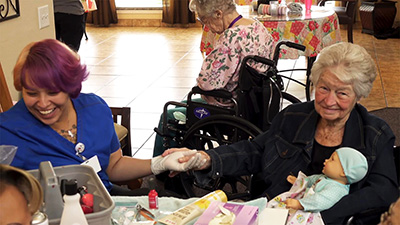
During respite, notification whether the neighborhood demands up‑to‑date medication lists, clarifies complicated prescriptions, and reports back any modifications they see. Ask how your relative endured showers, transfers, and toileting. Did staff recognize any safety concerns at home that you had actually missed, such as regular nighttime restroom journeys or unsteadiness when standing?
Families often leave from respite with one of 2 realizations. Either they feel confirmed that their loved one can safely stay at home with some additional support, or they see clearly that the structure and alertness of a small community provide a level of elderly care that is difficult to match at home.
Both results are useful. The point is not to rush a permanent move, however to ground choices in real experience, not guesswork.
Bringing all of it together
Medication and ADL management are where abstract guarantees of "quality senior care" fulfill the truth of tablets, baths, and restroom trips at 2 a.m. The quieter, less flashy strengths of small assisted living neighborhoods show up exactly there, in the information of how personnel know and react to each resident's everyday rhythm.
Smaller settings tend to use closer observation, more connection of caretakers, and more flexibility to customize regimens around the person rather than the structure. That mix often results in earlier detection of health changes, less medication errors, and a gentler, more respectful technique to intimate personal care.
That does not suggest every small home is excellent or that bigger communities can not offer outstanding care. It implies families examining elderly care options ought to look beyond the size of the dining room and ask comprehensive questions about who is seeing, who is seeing, and how rapidly the group acts when something changes.
When you discover a small assisted living community where the responses are concrete, the staff stable, and the citizens unwinded and well attended, you are typically looking at a location where medications are not simply dispensed and ADLs are not just finished, but where both are woven into a life that feels safe, human, and dignified.
BeeHive Homes of Mesquite provides assisted living care
BeeHive Homes of Mesquite provides respite care services
BeeHive Homes of Mesquite supports assistance with bathing and grooming
BeeHive Homes of Mesquite offers private bedrooms with private bathrooms
BeeHive Homes of Mesquite provides medication monitoring and documentation
BeeHive Homes of Mesquite serves dietitian-approved meals
BeeHive Homes of Mesquite provides housekeeping services
BeeHive Homes of Mesquite provides laundry services
BeeHive Homes of Mesquite offers community dining and social engagement activities
BeeHive Homes of Mesquite features life enrichment activities
BeeHive Homes of Mesquite supports personal care assistance during meals and daily routines
BeeHive Homes of Mesquite promotes frequent physical and mental exercise opportunities
BeeHive Homes of Mesquite provides a home-like residential environment
BeeHive Homes of Mesquite creates customized care plans as residents’ needs change
BeeHive Homes of Mesquite assesses individual resident care needs
BeeHive Homes of Mesquite accepts private pay and long-term care insurance
BeeHive Homes of Mesquite assists qualified veterans with Aid and Attendance benefits
BeeHive Homes of Mesquite encourages meaningful resident-to-staff relationships
BeeHive Homes of Mesquite delivers compassionate, attentive senior care focused on dignity and comfort
BeeHive Homes of Mesquite has a phone number of (702) 381-6899
BeeHive Homes of Mesquite has an address of 780 2nd S St, Mesquite, NV 89027
BeeHive Homes of Mesquite has a website https://beehivehomes.com/locations/mesquite/
BeeHive Homes of Mesquite has Google Maps listing https://maps.app.goo.gl/FouNDQWSGjDorrdT7
BeeHive Homes of Mesquite has Instagram page https://www.instagram.com/beehivehomesmesquite/
BeeHive Homes of Mesquite has an TikTok page https://www.tiktok.com/@beehivehomesofmesquite
BeeHive Homes of Mesquite has an YouTube page https://www.youtube.com/@hamiltonshives4468
BeeHive Homes of Mesquite won Top Assisted Living Homes 2025
BeeHive Homes of Mesquite earned Best Customer Service Award 2024
BeeHive Homes of Mesquite placed 1st for Senior Living Communities 2025
People Also Ask about BeeHive Homes of Mesquite
What is BeeHive Homes of Mesquite Living monthly room rate?
Our base rate is $4,400/month plus a one-time community fee of $1,500. We do an assessment of each resident's needs upon move-in, so a resident's rate may be slightly higher. Based on the assessment, a resident may be in Tier I, II, or III with pricing from $4,900 to $5,300 per month. However, we do not add any "a la carte" charges after that rate is set. There are no add-ons or hidden fees
Does Medicare or Medicaid pay for a stay at Bee Hive Homes?
Medicare pays for hospital and nursing home stays, but does not pay for assisted living. Some assisted living facilities are Medicaid providers, but we are not. We do accept private pay, long-term care insurance, and we can assist qualified Veterans with approval for the Aid and Attendance program
Do we have a nurse on staff?
We do have a nurse on contract who is available as a resource to our staff but our residents' needs do not require a nurse on-site. We always have trained caregivers in the home and awake around the clock
What can you tell me about the food at Bee Hive?
You have to smell it and taste it to believe it! We use dietitian-approved meals with alternates for flexibility, and we can accommodate needs for different texture and therapeutic diets. We have found that most physicians are happy to relax diet restrictions without any negative effect on our residents
Do we have a pharmacy that fills medications?
We do have a relationship with an excellent pharmacy that is able to deliver to us and packages most medications in punch-cards, which improves storage and safety. We can work with any pharmacy you choose but do highly recommend our institutional pharmacy partner
Where is BeeHive Homes of Mesquite located?
BeeHive Homes of Mesquite is conveniently located at 780 2nd S St, Mesquite, NV 89027. You can easily find directions on Google Maps or call at (702) 381-6899 Monday thru Sunday: 8:00am to 7:00pm
How can I contact BeeHive Homes of Mesquite?
You can contact BeeHive Homes of Mesquite by phone at: (702) 381-6899, visit their website at https://beehivehomes.com/locations/mesquite/ or connect on social media via Instagram Facebook or TikTok
Conveniently located near BeeHive Homes of Mesquite Megaplex a great movie theater with full food & drink menu. Catch a movie and enjoy some great food while you wait.